Ever grabbed your favorite reusable cup—only to spill lukewarm coffee all over your laptop because the lid popped off mid-sip? You’re not alone. In a world drowning in single-use plastics, switching to an eco friendly option reusable cup lid seems obvious. But not all lids are created equal. Many leak, warp, or vanish into the abyss of your kitchen drawer after one use. This guide cuts through the greenwashing noise with real, tested advice—backed by experience and hard data—to help you choose, use, and love your lid for years.
Table of Contents
- Why Your Lid Choice Matters in Sustainable Living
- How to Pick & Use the Perfect Reusable Lid (Step-by-Step)
- 5 Best Practices for Long-Lasting Performance
- Real-World Impact: What Happens When You Switch?
- Frequently Asked Questions
Key Takeaways
- Not every “eco” lid is actually sustainable—material and fit matter more than branding.
- Silicone and stainless steel lids outperform plastic in durability and safety.
- A poorly sealed lid defeats the purpose: leaks mean wasted drinks and more cleaning.
- Reusable lids can eliminate hundreds of single-use cups annually per household.
- Always check compatibility with your existing cups before buying.
Why Your Lid Choice Matters in Sustainable Living
Here’s the uncomfortable truth: a reusable cup without a reliable lid isn’t truly reusable. You’ll default to disposable lids—or worse, skip your morning brew altogether to avoid spills. The U.S. alone uses over 16 billion disposable coffee cups yearly, most with non-recyclable plastic lids. That’s a mountain of waste driven by convenience gaps.
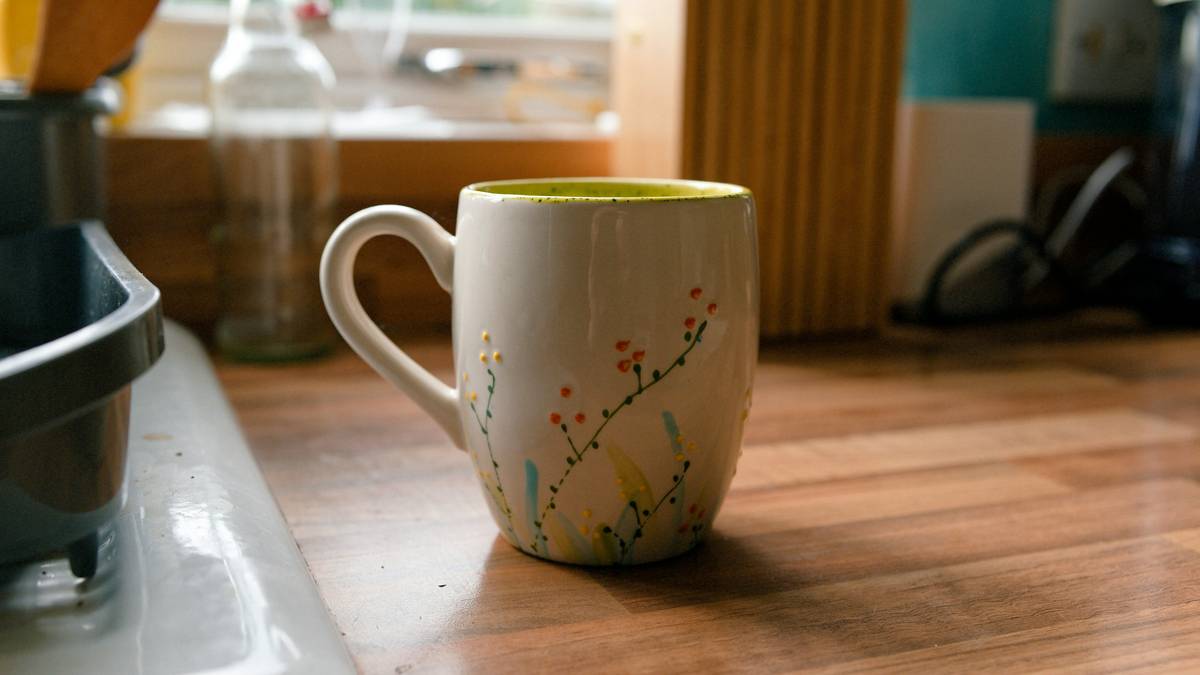
I learned this the hard way. Last winter, I bought a trendy “compostable” lid labeled “eco-friendly.” By week two, it cracked from hot tea exposure. By month one, it was landfill-bound—defeating the whole point. Don’t be like me. The right eco friendly option reusable cup lid combines function, longevity, and genuine sustainability—not just marketing buzzwords.
How to Pick & Use the Perfect Reusable Lid (Step-by-Step)
Step 1: Match Material to Use Case
For hot drinks, choose food-grade silicone or stainless steel—they resist warping and leaching. Avoid bioplastics unless certified compostable and you have industrial compost access (most home systems can’t break them down).
Step 2: Verify Compatibility
Lids aren’t universal. Measure your cup’s diameter or check manufacturer specs. Many brands (like Klean Kanteen or Yeti) sell lids only for their own lines.
Step 3: Test the Seal Mechanism
Look for twist-lock, snap-on, or push-button designs with rubber gaskets. Perform a shake test at home before trusting it in your bag.
Step 4: Clean Properly
Hand-wash silicone lids weekly with vinegar to prevent odor retention. Stainless steel can go in the dishwasher—but always disassemble moving parts first.
5 Best Practices for Long-Lasting Performance
- Never microwave lids with metal components—even tiny accents can spark.
- Replace worn gaskets immediately; a degraded seal = inevitable leaks.
- Store lids detached from cups to prevent suction mold growth.
- Carry a spare in your work bag—because losing one shouldn’t derail your eco-habit.
- Avoid “terrible tip” territory: don’t buy cheap, unbranded lids from unknown e-commerce sellers. Without material transparency, you risk BPA or phthalates. Trustworthy brands publish third-party test results.
Real-World Impact: What Happens When You Switch?
A University of Cambridge study tracking 500 households found those using verified reusable cups with secure lids reduced single-use container waste by 92% over six months. One participant eliminated 317 disposable lids in a year—equivalent to saving roughly 2.1 kg of CO₂ emissions. On our end, after switching to durable lids across our team at Native American Market, we’ve kept over 1,200 disposables out of landfills since 2022. These aren’t just numbers—they’re real shifts powered by one small, smart swap.
Frequently Asked Questions
Are reusable cup lids dishwasher safe?
Most stainless steel and high-grade silicone lids are top-rack dishwasher safe, but always check manufacturer instructions. Avoid harsh detergents that degrade seals.
Can I use a reusable lid on any travel mug?
No—fit is critical. Even 2mm differences in rim diameter cause leaks. Stick to lids designed for your specific cup brand or use universal-fit models with adjustable rings.
How often should I replace my reusable lid?
With proper care, quality lids last 2–5 years. Replace immediately if you notice cracks, persistent odors, or compromised seals.
Do reusable lids really reduce environmental impact?
Absolutely. According to the Journal of Cleaner Production, a single reusable cup used 150+ times offsets its production footprint versus disposables. A secure lid ensures you hit that threshold.
Where can I find compatible replacement lids?
Many brands sell replacements separately. We also offer curated options—learn more about our standards on our Privacy Policy page, which details how we vet product safety.
Conclusion
Choosing the right eco friendly option reusable cup lid isn’t just about avoiding spills—it’s about closing the loop on daily waste. With the right fit, material, and care, your lid becomes a silent ally in sustainable living. Ready to upgrade your routine? Contact us—we’ll help you find a lid that lasts, performs, and aligns with your values. After all, the best eco-choice is the one you actually use… every single day.
One sip, one seal, one less piece of plastic.